

In today’s fast-paced world, sleep is often treated as a luxury instead of a necessity. Many people proudly say, “I can survive on 4 or 5 hours of sleep.” But the truth is: your body cannot survive in a healthy way without proper sleep—especially your immune system. Understanding the role of sleep in immune system performance helps people prioritize healthy sleep habits for better long-term wellness.
Your immune system is your body’s natural defense army. It protects you from viruses, bacteria, infections, flu, and countless diseases. And sleep acts as the fuel that keeps this defense system strong. In fact, sleep is one of the most powerful, natural immune boosters available—better than most supplements and medicines.
This detailed article will explain the role of sleep in the immune system, how sleep boosts your immune system, the dangers of poor sleep, the science behind immune function, the benefits of deep sleep, and practical tips to improve your sleep for a stronger, healthier body.
The Role of Sleep in the Immune System:
The role of sleep in the immune system is essential for maintaining strong overall health and protecting the body from illness. During deep sleep, the immune system releases cytokines—proteins that help fight infections, inflammation, and stress. Consistent, high-quality sleep boosts antibody production, improves immune response, and reduces the risk of viral and bacterial infections. On the other hand, lack of sleep weakens immunity, making the body more vulnerable to diseases and slowing down recovery. Understanding the vital role of sleep in the immune system encourages better sleep habits and supports long-term wellness.
Why Is Sleep’s Role So Important for the Immune System?
Sleep is not simply “rest time.”
It is an active biological process where your body:
- Repairs cells
- Creates new immune cells
- Fights off infections
- Strengthens memory and learning
- Balances hormones
- Reduces inflammation
Without enough sleep, the immune system becomes weaker, making you more vulnerable to illnesses.
Scientific Fact:
People who sleep less than 7 hours a night are 3 times more likely to catch a cold or infection compared to people who sleep 8 hours or more.
This shows that sleep is not optional—it is a core requirement for immunity.
How Sleep Plays Role in Boosting Your Immune System (Explained Simply)
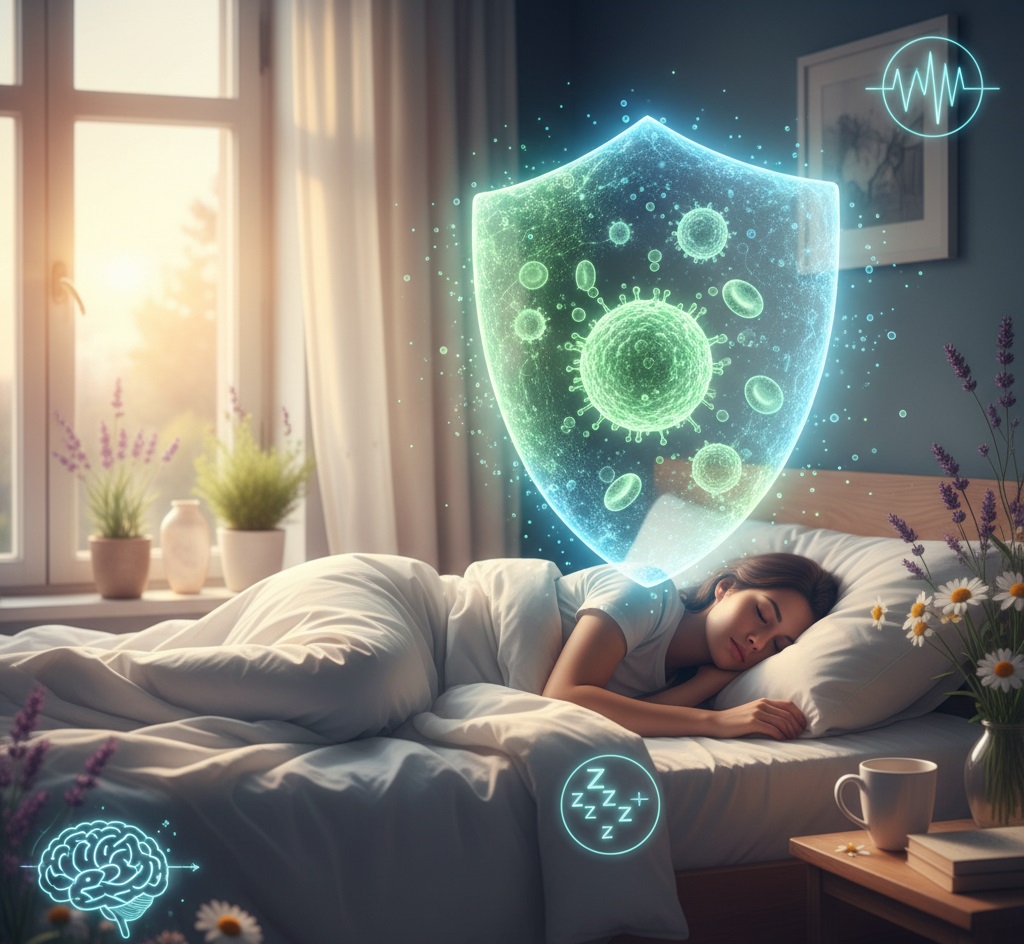
Your immune system has two parts:
a) The Innate Immune System
This is your body’s first line of defense. It reacts immediately when a virus or bacteria enters your body.
b) The Adaptive Immune System
This system creates memory cells so your body remembers infections and fights them faster next time.
Sleep strengthens both systems.
Here’s how:
During sleep, your body produces:
- Cytokines: proteins that fight infections
- T-cells: immune soldiers that destroy viruses
- NK cells (Natural Killer cells): powerful cells that fight cancer and viruses
- Growth hormones: repair tissues and boost regeneration
When you sleep well:
- Your immune system becomes powerful, active, and efficient
- Your body recovers faster from sickness
- You reduce the risk of chronic diseases
When you sleep poorly:
- These immune cells reduce dramatically
- The body becomes slow to respond to infections
- Illnesses last longer
What Happens to Your Immune System When You Don’t Sleep Well?
Lack of sleep is like weakening your body’s shield. Even one night of poor sleep can hurt your immunity so the role of sleep in immune system is very important.
Here’s what sleep deprivation causes:
- Weaker T-cells – slower immune response
- Increased inflammation – leads to chronic diseases
- Lower antibodies – harder to fight infections
- High cortisol (stress hormone) – blocks immune activity
- Higher risk of common cold, flu, and infection
Long-term poor sleep increases risk of:
- Heart disease
- Diabetes
- Obesity
- High blood pressure
- Depression and anxiety
- Memory problems
- Compromised immunity
In short: poor sleep = weak immune system + higher disease risk.
The Role of Deep Sleep in Immune Function
Not all sleep is equal. Researchers continue to highlight the role of sleep in immune system regulation, showing how lack of sleep can weaken overall immunity.
Your body needs deep sleep (also called slow-wave sleep) to activate immune defenses.
During deep sleep:
- Cytokines are released
- Tissue repair happens
- Immune memory strengthens
- Stress hormones drop
- Body temperature reduces to support healing
Why deep sleep matters most:
People who sleep 8 hours but don’t reach deep sleep may still have weakened immunity.
Common reasons for lack of deep sleep:
- Stress
- Blue-light exposure
- Late-night meals
- Caffeine
- Heavy screen use
- Irregular sleep schedule
Your goal should not just be sleeping long hours—but improving sleep quality.
The Connection Between Sleep and Vaccines
This is an important scientific discovery:
People who sleep well after a vaccine develop stronger immunity than people who sleep poorly.
Research shows that sleep increases:
- Antibody production
- Immune memory
- Vaccine effectiveness
That means sleep is a natural booster that helps your body become more resistant to diseases.
Sleep and Inflammation: How Sleep Reduces Disease Risk
Inflammation is the root of many health issues, including:
- Arthritis
- Metabolic diseases
- Heart disease
- Autoimmune disorders
- Alzheimer’s
- Cancer
Poor sleep increases inflammation markers in the body.
Good sleep reduces inflammation, helping the body stay healthy and balanced.
Why Stress, Sleep, and Immunity Are Connected
Stress and sleep are closely linked.
When you don’t sleep well, stress increases.
When you’re stressed, your sleep becomes worse.
This cycle weakens the immune system.
Stress increases:
- Cortisol
- Anxiety
- Blood sugar
- Heart rate
These factors weaken immune cells.
This is why improving sleep automatically reduces stress and boosts immunity.
How Much Sleep Do You Need for a Strong Immune System?
Recommended sleep hours:
- Adults: 7–9 hours
- Teenagers: 8–10 hours
- Children: 9–12 hours
- Older adults: 7–8 hours
But remember:
The quality of sleep is as important as the duration.
Best Sleeping Habits to Strengthen Your Immune System
Here are science-based tips to improve your sleep quality and immunity:
1. Sleep at the same time daily
Your body needs routine to produce sleep hormones properly.
2. Avoid screens 1 hour before sleep
Phones and laptops block melatonin (sleep hormone).
3. Avoid caffeine after 5 PM
Coffee, tea, and energy drinks disturb sleep cycles.
4. Maintain a cool, dark room
Ideal temperature: 18–20°C
Darkness increases melatonin.
5. Reduce late-night eating
Heavy meals cause poor digestion and poor sleep.
6. Exercise daily
Even 15–20 minutes improves sleep quality.
7. Meditate or relax before sleep
Helps reduce stress and prepare the brain for rest.
8. Avoid afternoon naps longer than 30 minutes
Long naps disrupt night sleep.
9. No smoking or alcohol before bed
Both reduce deep sleep.
10. Use comfortable pillows and a good mattress
Comfort improves sleep quality significantly.
Foods That Help Improve Sleep and Immunity
Your diet affects sleep, and sleep affects immunity.
Here are foods that boost both:
Foods that promote good sleep:
- Warm milk
- Almonds
- Bananas
- Oatmeal
- Herbal teas (chamomile, lavender)
- Yogurt
- Kiwi
- Walnuts
Foods that support immunity:
- Citrus fruits (Vitamin C)
- Garlic
- Ginger
- Turmeric
- Green leafy vegetables
- Berries
- Honey
- Lean proteins
A balanced diet + quality sleep = a strong immune system.
When Poor Sleep Is a Warning Sign
If you experience any of these regularly, you may have a sleep disorder:
- Loud snoring
- Waking up gasping
- Trouble falling asleep
- Waking up multiple times
- Feeling tired even after 8 hours
- Restless legs at night
Conditions like sleep apnea, insomnia, or anxiety may require medical attention.
Sleep, Aging, and Immunity
As you age, sleep quality naturally decreases.
This weakens the immune system, which is why older adults get sick more easily.
Improving sleep can:
- Reduce infections
- Improve healing
- Boost energy
- Support mental health
Sleep is one of the best medicines for healthy aging.
Final Thoughts: Sleep Is Your Natural Immune Booster
Many people spend money on supplements and medicines, but forget the most powerful and natural immune booster—sleep.
Good sleep helps your body:
- Fight infections
- Repair tissues
- Reduce inflammation
- Strengthen immune cells
- Boost overall health
If you want better immunity, more energy, a healthier body, and a fresh mind, start by improving your sleep.
Sleep is not wasting time. Sleep is healing time.

I am a TOP RATED FREELANCER, digital creator, and tech enthusiast with over a decade of experience in online services like photo and video editing, graphic design, AI-driven content creation, SEO content writing, and digital media production.